
The Real Cost of Post Harvest Loss in Kenya and How to Fix It
Quantifying the Loss
The numbers are staggering. According to the Food and Agriculture Organization (FAO), Sub Saharan Africa loses approximately 37% of its food production after harvest. In Kenya specifically, the Ministry of Agriculture estimates that post harvest losses account for 30 to 40% of total crop production, with the highest losses in cereals, fruits, and vegetables. When you translate these percentages into money, the picture becomes urgent. Kenya produced approximately 42 million tonnes of crops in 2024. If 35% of that is lost post harvest, that is roughly 14.7 million tonnes of food destroyed before it reaches a plate or a market. At average crop values, this represents over KES 150 billion in annual losses, a figure that exceeds many government agricultural budget allocations.
Where the Losses Happen
Post harvest losses do not happen in one place. They accumulate across the entire chain from harvest to market. Understanding where the losses concentrate is essential for knowing where to intervene.
At harvest and handling (5 to 10% loss): Crops are damaged during harvesting due to improper techniques, poor timing (harvesting too early or too late), and rough handling during transport from field to homestead. Mechanical damage creates entry points for fungi and bacteria that accelerate spoilage.
During drying (10 to 15% loss): This is the single biggest loss point for cereals and many cash crops. Traditional open air drying on the ground exposes crops to rain, contamination, and uneven moisture removal. Aflatoxin contamination from improper drying is a particularly serious problem in Kenyan maize, with studies finding that up to 40% of maize samples in some regions exceed safe aflatoxin limits. See our comparison of smart solar drying versus traditional methods for a detailed look at how controlled drying addresses this.
In storage (5 to 15% loss): Insects (particularly the larger grain borer and maize weevils), rodents, and moisture reabsorption cause significant losses during storage. Farmers using traditional storage methods like woven bags or open cribs experience losses of up to 30% over six months. Even farmers who dry their crops properly can lose them to poor storage.
During transport and marketing (5 to 10% loss): Poor road infrastructure, lack of packaging, and delays at market points cause additional physical losses and quality degradation, especially for perishables that lack cold chain access.
The Cost by Crop
Different crops suffer different loss rates, and the economic impact varies based on crop value.
Maize: Kenya produces approximately 3.5 to 4 million tonnes of maize annually. With estimated post harvest losses of 20 to 30%, the country loses 700,000 to 1.2 million tonnes of maize every year. At KES 4,000 per 90kg bag, that is between KES 31 billion and KES 53 billion in lost value annually for a single crop.
Coffee: Kenya's coffee sector produces about 40,000 to 50,000 tonnes annually. Drying quality alone affects price by KES 50 to KES 200 per kilogramme at auction. Poor post harvest handling, particularly inconsistent drying, costs the sector an estimated KES 2 to 5 billion per year in quality discounts.
Horticulture (fruits and vegetables): Kenya's horticultural sector is valued at over KES 300 billion. With perishable loss rates of 30 to 50%, the sector loses KES 90 to 150 billion annually. Tomatoes, mangoes, and leafy vegetables are the worst affected due to their high moisture content and lack of cold chain infrastructure.
Herbs and spices: Kenya's herb export sector has grown rapidly, particularly for European markets. Improperly dried herbs lose colour, aroma, and essential oil content, resulting in 20 to 40% price discounts. For a sector generating over KES 5 billion in exports, these quality losses represent KES 1 to 2 billion in unrealised revenue.
The Most Cost Effective Interventions
Not all post harvest interventions cost the same or deliver the same return. Here is what the data shows about where to invest first.
Solar drying (highest ROI for grain and cash crops): Smart solar dryers address the single biggest loss point in the chain. A smart solar dryer that serves a cooperative processing 50 tonnes per season can save KES 400,000 to KES 600,000 per season in recovered crop value. That is a payback period of less than 2 seasons, with the dryer continuing to generate returns for 10 to 15 years. With rent to own financing, cooperatives can start generating net positive returns from the first season because the monthly payments are lower than the value of crop losses prevented. See our pricing page for financing options, and our guide to financing a smart solar dryer in Kenya for a full breakdown of the four payment routes: outright purchase, rent-to-own, bank asset financing and drying-as-a-service.
Hermetic storage (highest ROI for cereals): PICS bags at KES 150 to 300 each reduce storage losses from 20 to 30% down to under 2%. For a farmer storing 10 bags of maize, the additional cost of hermetic bags is KES 1,500 to 3,000, but the saved grain is worth KES 8,000 to 12,000. That is a 3 to 4x return on investment in a single season.
Cold chain (essential for perishables): Solar cold rooms cost KES 500,000 to KES 2 million depending on capacity, but for cooperatives handling high value perishables like avocados, tomatoes, or dairy, the investment typically pays back within 2 to 3 seasons through reduced spoilage and better market timing.
What This Means for Your Operation
If you are a cooperative, agribusiness, or development programme operating in Kenya, the question is not whether post harvest losses are hurting your bottom line. They are. The question is which intervention delivers the best return for your specific crops and scale. For most operations handling grains, coffee, herbs, or spices, controlled solar drying is the highest impact first investment because drying losses represent the largest single loss category and the technology is proven and available. Read our 5 proven methods to reduce post harvest losses for a complete intervention guide, or explore the complete guide to solar dryers in Kenya. If you already know drying is your gap, our solar dryer sizing guide shows how to match capacity to your harvest volumes.
Synnefa works with cooperatives and agribusinesses across Kenya, Uganda, and Ghana to deploy smart solar dryers on rent to own financing that starts delivering returns from the first season. If you want to quantify the specific losses in your operation and model the ROI of a solar drying investment, our team can run a pre site assessment. Request a consultation to get started.
Similar posts
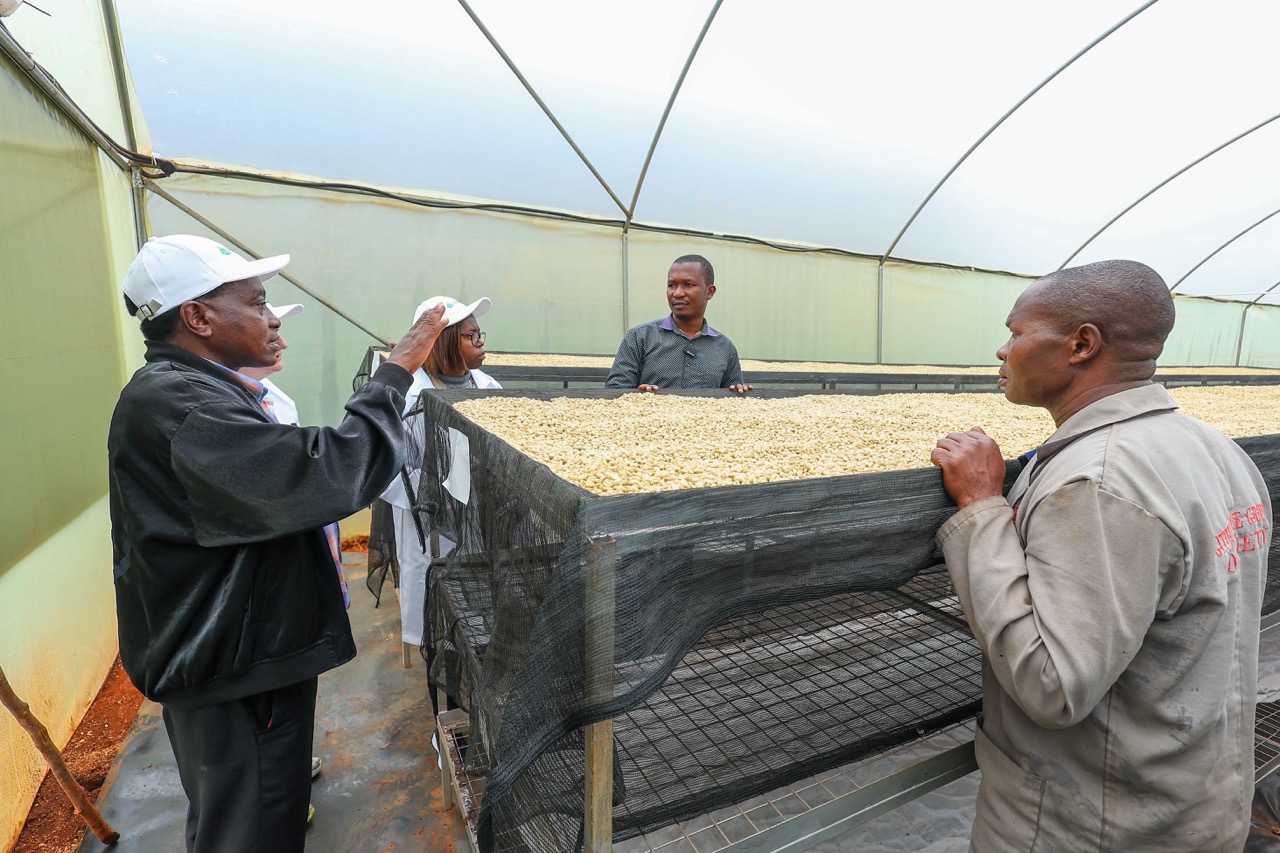
How Aggregation Hubs and Cooperatives Turn Crop Drying Into a Business
One smart solar dryer serving hundreds of farmers: how aggregation hubs work, who should run them, and what cooperatives, counties and funders should look for before investing.
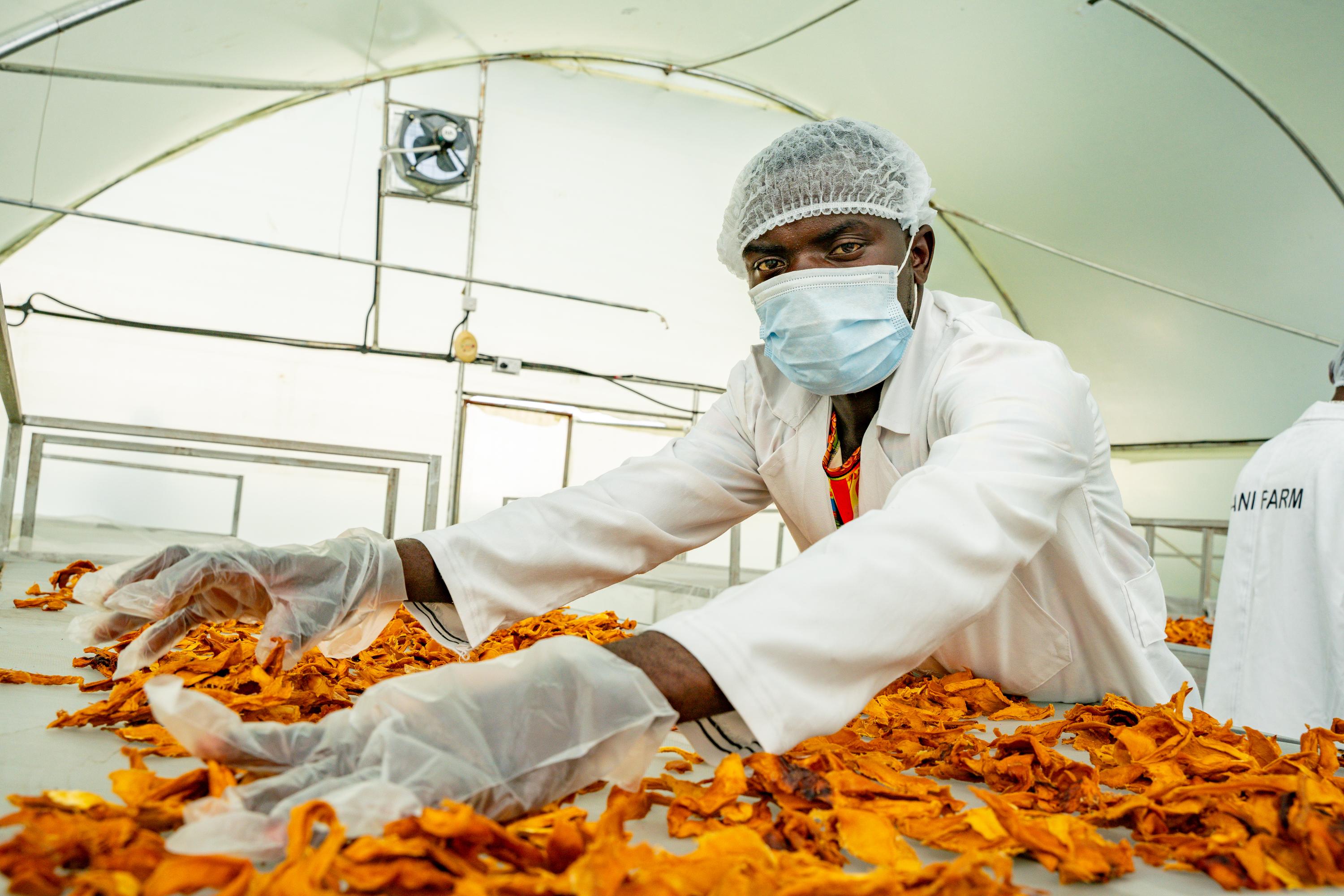
Beyond Maize and Coffee: Drying Cassava, Ginger, Hibiscus and Herbs for Premium Markets
One smart solar dryer can serve many value chains. What it takes to dry cassava, sweet potato, ginger, hibiscus, herbs and vegetables to the standards premium buyers demand.