
Why Kenyan Coffee Quality Is Won or Lost at the Drying Stage
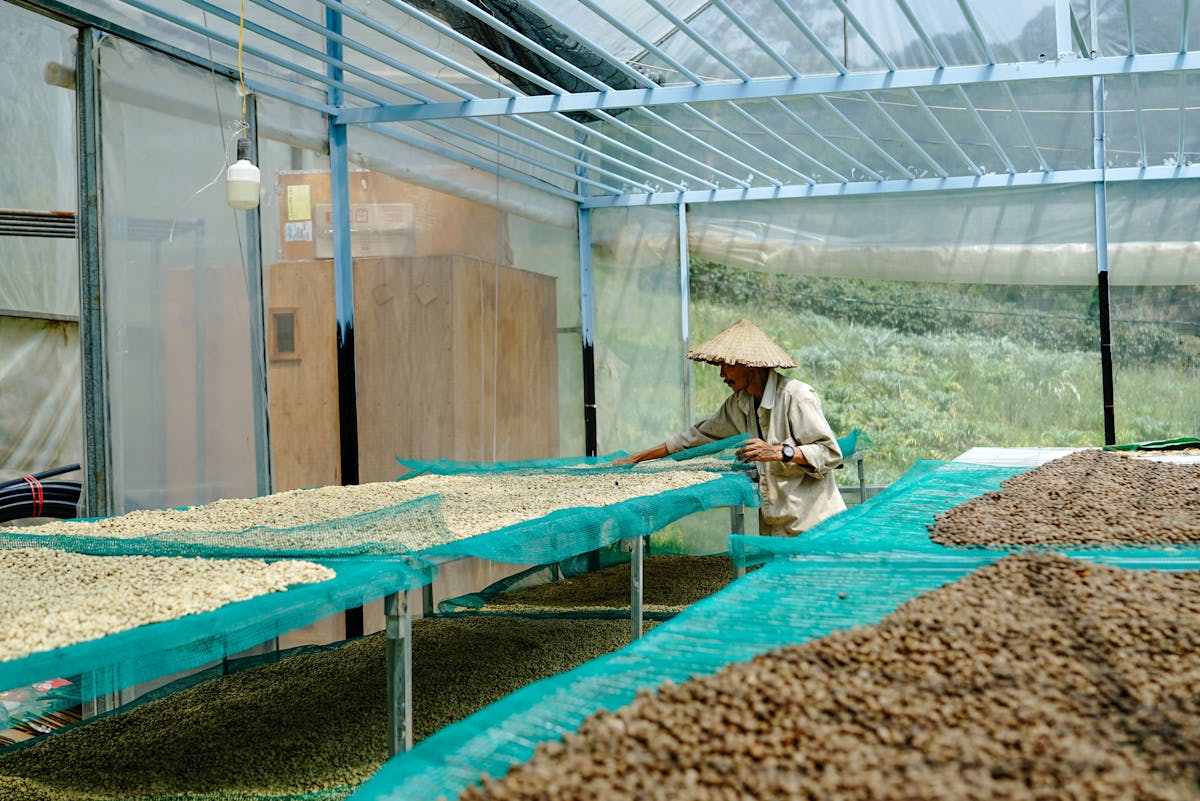
Kenya produces some of the most sought-after coffee in the world. AA grades from the slopes of Mount Kenya and the Aberdares consistently fetch premium prices at auction and attract specialty roasters from Tokyo to London. That premium is not built only into the farm — it is built, or destroyed, in the hours and days immediately after the cherry is picked.
Drying is where Kenyan coffee quality either holds or breaks.
The Narrow Window That Determines Cup Quality
After wet processing, washed Kenyan coffee must reach a moisture content of between 10 and 12.5 percent to be export-ready and stable for storage. That sounds like a simple target. The challenge is getting there without overshooting in either direction, and without allowing the conditions during drying to introduce the defects that cost processors quality points and buyers at auction.
Too slow, and the coffee risks secondary fermentation — a process that produces off-flavours that show up immediately in cupping and reduce a premium AA or AB lot to commercial grade. Too fast, or with uneven airflow, and the beans develop hairline cracks that lead to breakage during milling, affecting both the physical grading and the roast profile. Too little temperature consistency, particularly on overcast days when passive dryers underperform, and moisture content variation across the bed creates a lot where some beans are at 12 percent and others are at 16 — a lot that no serious buyer will accept without significant discounting.
The drying stage has always been acknowledged as critical. What has been missing, until recently, is the ability to actually monitor and manage it with the precision the crop demands.
How Most Kenyan Coffee Is Currently Dried
The majority of coffee in Kenya is dried on raised drying beds — either under shade cloth or open to the sun — with periodic hand-turning to manage even drying. Wet mills and cooperatives that have invested in infrastructure use solar tunnel dryers, which significantly reduce drying time and protect the crop from rain and contamination. Both approaches have one thing in common: there is no instrument measuring what is happening inside the drying environment in real time.
A cooperative manager visits the drying beds or tunnel dryers, assesses conditions by feel and observation, turns the coffee, and makes a judgement call on when the lot is ready to move to dry milling. That judgement is shaped by experience, which is valuable, but it is not data. It cannot be replicated consistently across multiple lots, multiple operators, or multiple seasons. It cannot be shared with a buyer as evidence of controlled processing. And it offers no alert when conditions deteriorate at night, during a rain event, or across a weekend when the mill is not fully staffed.
What Monitored Coffee Drying Actually Changes
Synnefa's smart solar dryers integrate FarmShield IoT sensors directly into the drying environment, tracking temperature, humidity, and airflow throughout the drying cycle. Every reading goes into FarmCloud in real time, building a complete drying record for every lot processed through the dryer.
For coffee specifically, this creates three practical advantages that compound across a season.
The first is consistency. When sensors are monitoring conditions continuously and alerting operators to deviations, drying performance stops varying with who is on shift or what the weather did on day three of the cycle. You achieve the same moisture targets lot after lot, which is the baseline requirement for selling into specialty and premium export markets.
The second is speed without compromise. Synnefa's system reduces drying time from the five to seven days typical of passive dryers to two to three days, and does so without the quality risks of uncontrolled rapid drying because the monitoring ensures conditions stay within the optimal range throughout. For a cooperative running multiple lots through a short harvest window, this is a throughput advantage that directly affects how many bags they can process and sell at premium grades.
The third is documentation. As specialty buyers and export market regulators tighten traceability requirements, the ability to provide a complete processing record — including how long the coffee dried, at what temperature and humidity, and what moisture content was reached — is moving from a differentiator to a requirement. Synnefa's FarmCloud platform generates that record automatically for every batch.
This is what those advantages feel like from the inside of an active cooperative. The manager at Gititu Coffee Cooperative put it plainly after their first season with a Synnefa smart solar dryer: "We had always tried solar dryers before, but they never really worked well. When you set up this one with the smart technology, the difference was clear. We can now dry faster and our buyers are happy with our quality because the drying is being done right. Now that it is raining, we are very glad we invested in the smart solar dryer."
The raining season point matters. A cooperative that has invested in a passive dryer finds the long rains to be a month of anxiety and loss. A cooperative with monitored, energy-efficient infrastructure finds them to be a competitive advantage — because their buyers still receive consistent product when everyone else is struggling.
The Quality Premium Has to Be Earned Twice
Kenyan coffee earns its premium reputation at the farm level through variety, soil, and altitude. It earns it again at the processing level through controlled, documented post-harvest management. Most of the infrastructure investment in Kenyan coffee has gone into the first part of that equation — better planting material, better pest management, better farm practices. The post-harvest side, and drying in particular, has received far less attention despite being the stage where quality is most commonly lost.
For any cooperative, wet mill, or agro-processor moving Kenyan coffee into premium or export channels, the drying stage is no longer a place where you can afford to rely on passive infrastructure and manual observation. The margin between a quality lot and a rejected one is too narrow, and the documentation trail buyers are beginning to require is too specific.
The tools to close that gap are available now. The cooperatives that deploy them first will not just protect their quality. They will have the data to prove it.
Similar posts
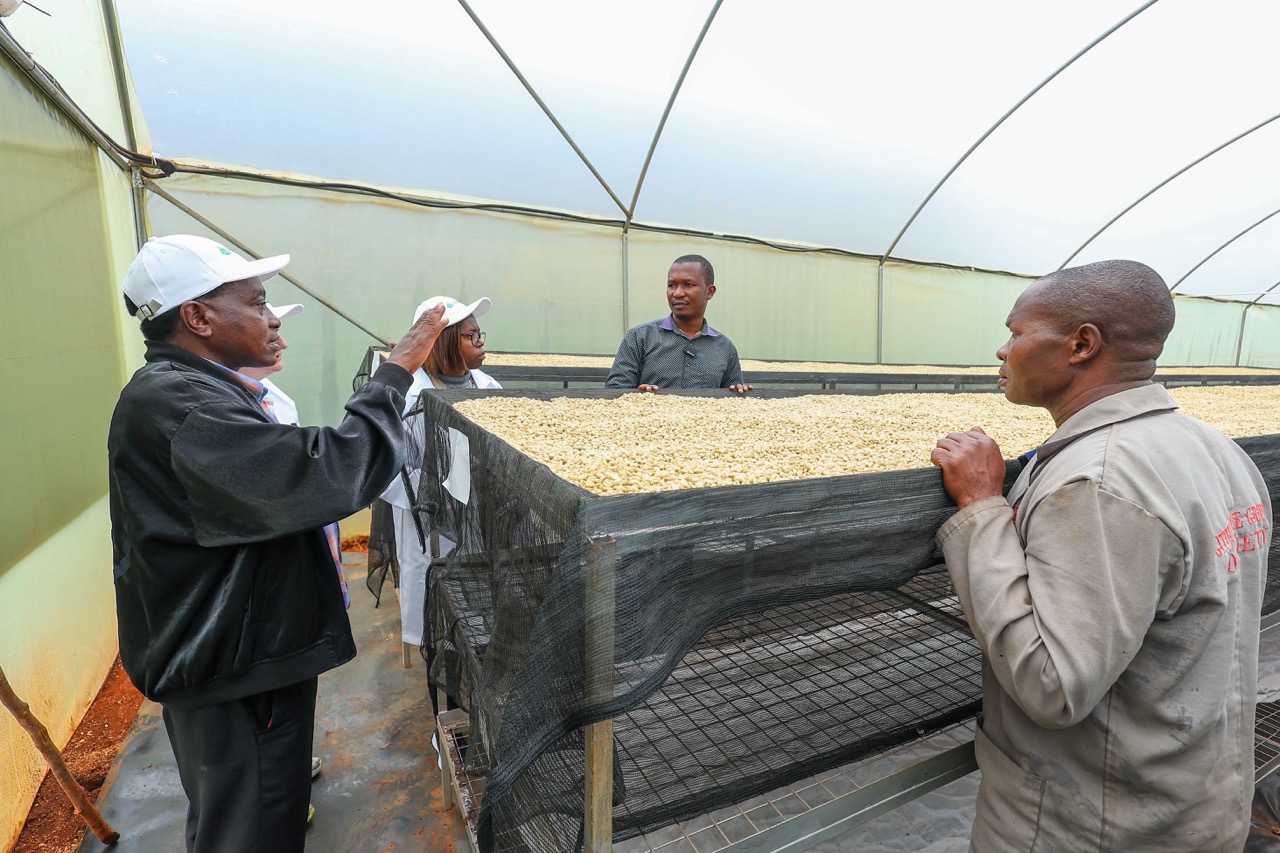
How Aggregation Hubs and Cooperatives Turn Crop Drying Into a Business
One smart solar dryer serving hundreds of farmers: how aggregation hubs work, who should run them, and what cooperatives, counties and funders should look for before investing.
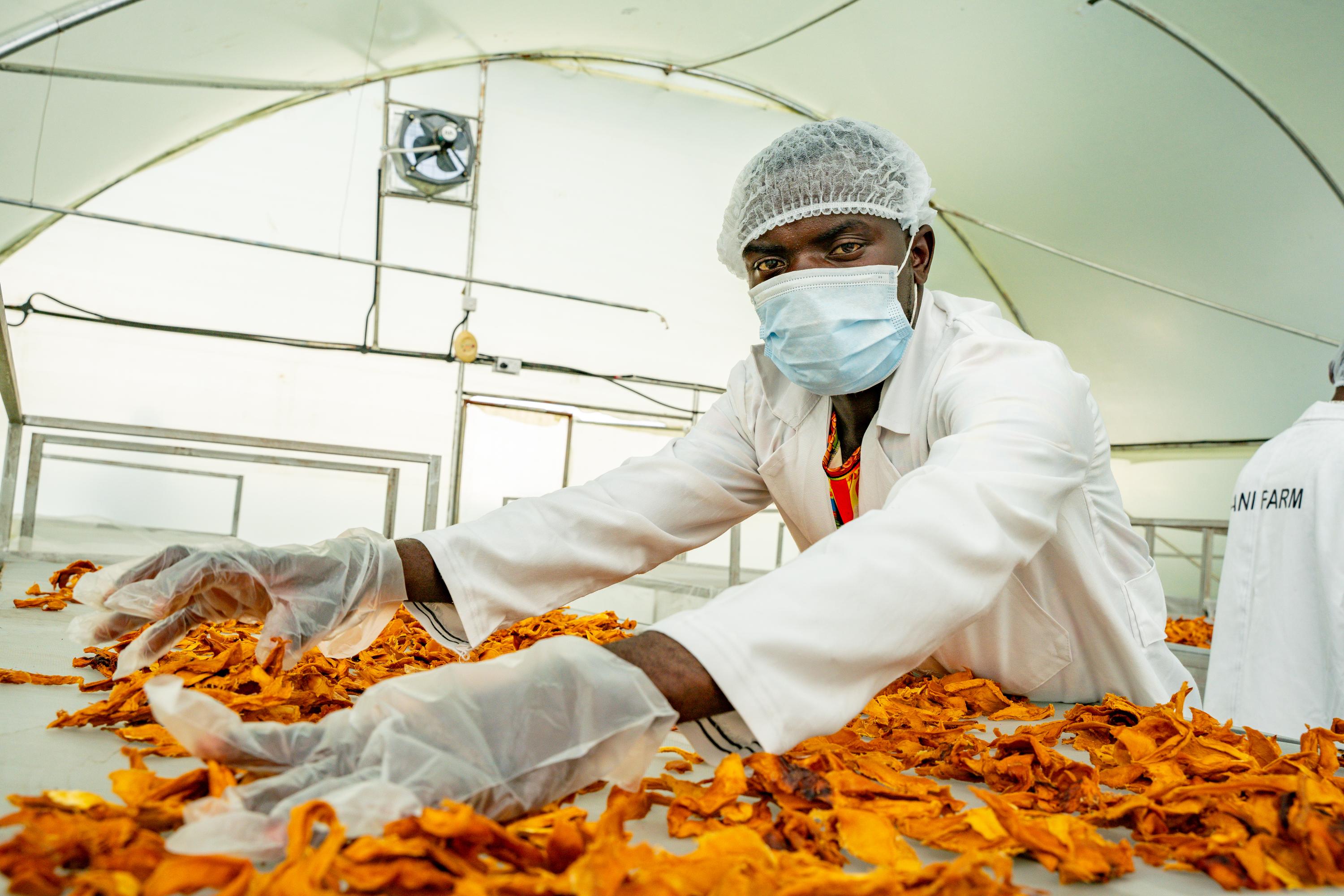
Beyond Maize and Coffee: Drying Cassava, Ginger, Hibiscus and Herbs for Premium Markets
One smart solar dryer can serve many value chains. What it takes to dry cassava, sweet potato, ginger, hibiscus, herbs and vegetables to the standards premium buyers demand.