
Crop Drying Technology in Africa: From Traditional Methods to Smart Solar Systems
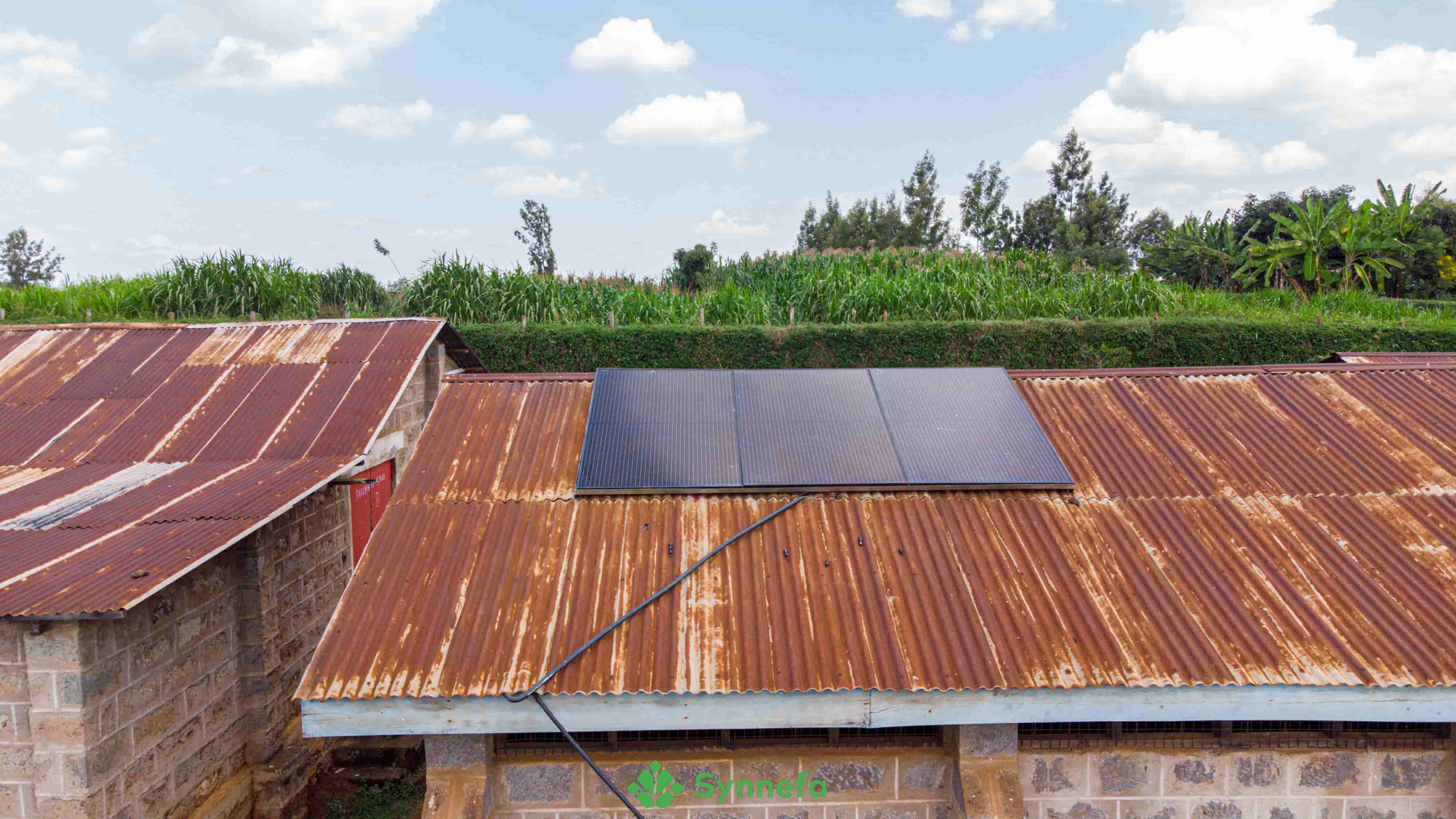
Why Crop Drying Technology Matters More Than Ever in Africa
Africa loses between 30% and 50% of its harvested crops before they reach the consumer, according to the African Postharvest Losses Information System (APHLIS). The single biggest contributor to these losses is inadequate drying. Crops harvested at high moisture content deteriorate rapidly through mould growth, insect infestation, and biochemical degradation, destroying both nutritional value and market worth.
The scale of the problem is enormous. The World Bank estimates that post harvest losses in sub Saharan Africa exceed USD 48 billion annually. For a continent where agriculture employs over 60% of the workforce and food security remains a persistent challenge, the gap between what is harvested and what reaches markets represents one of the most solvable yet most neglected inefficiencies in the food system.
The good news is that drying technology has evolved significantly over the past decade, and African agribusinesses now have access to solutions that were previously available only to industrial processors in developed markets. Understanding the full spectrum of options, from traditional methods to smart solar systems, is essential for making the right investment decision.
Traditional Open Air Sun Drying
Open air sun drying remains the most widely used method across Africa, employed by an estimated 80% of smallholder farmers. The approach is simple. Harvested crops are spread on the ground, on tarpaulins, on raised platforms, or on concrete slabs and left to dry under direct sunlight for 5 to 14 days depending on the crop and weather conditions.
The appeal is obvious. There is virtually zero capital cost, no energy input beyond sunlight, and no technical expertise required. For subsistence farmers processing small quantities for household consumption, it can be adequate when weather cooperates.
The limitations are equally clear. Drying rates are entirely weather dependent, and a single rainfall event can undo days of progress and introduce fresh moisture that triggers mould growth. Ground contact exposes crops to soil contamination, insects, rodents, and animal droppings. There is no control over temperature or airflow, resulting in uneven drying where surface layers may appear dry while interior moisture remains dangerously high. UV degradation reduces nutritional content and causes discolouration, lowering market grade.
For commercial operations handling volumes above 500 kilograms per batch, open air drying is not a viable primary strategy. The quality inconsistency, contamination risk, and weather dependency make it incompatible with buyer specifications, export standards, and consistent supply commitments.
Improved Solar Dryers: The First Step Up
Improved solar dryers represent the next tier of technology. These include solar cabinet dryers, solar tunnel dryers, and indirect solar dryers that use a separate solar collector to heat air before directing it over the crop. Designs range from simple DIY constructions using plastic sheeting and wood frames to more engineered systems with metal frames and polycarbonate covers.
The key advantage over open air drying is enclosure. By placing crops inside a covered structure, improved solar dryers protect against rain, dust, insects, and animal contamination. The greenhouse effect created by the transparent cover raises internal temperatures 10°C to 20°C above ambient, accelerating moisture removal and reducing drying time by 30% to 50% compared to open air methods.
However, most improved solar dryers still rely on natural convection for airflow, which limits drying uniformity and throughput. Without forced ventilation, the air closest to the inlet is driest while air near the exhaust is moisture saturated, creating significant quality variation within a single batch. Capacity is typically limited to 50 to 200 kilograms per load, making them suitable for individual farmers or small cooperatives but insufficient for commercial aggregation operations.
Temperature control is another weakness. On very sunny days, internal temperatures can spike above 60°C to 70°C, which damages heat sensitive crops like coffee, herbs, and certain fruits. Without monitoring or regulation mechanisms, operators must manually manage ventilation openings, which is impractical at scale.
Mechanical and Industrial Dryers
At the opposite end of the spectrum are mechanical dryers powered by electricity, diesel, or gas. These include batch dryers, continuous flow dryers, and fluidized bed dryers commonly used in industrial grain processing. They offer precise temperature control, consistent airflow, and high throughput, processing tonnes per hour rather than kilograms per batch.
The drying performance is excellent. Industrial dryers can reduce moisture content from 25% to 13% in hours rather than days, with uniform results across the entire batch. They operate independently of weather conditions and can run continuously through day and night cycles.
The barriers for African agribusinesses are significant. Capital costs for a mechanical dryer capable of processing 5 to 10 tonnes per day typically range from USD 15,000 to USD 80,000 depending on capacity and fuel type. Operating costs add substantially. A diesel fired dryer processing maize consumes approximately 8 to 12 litres of diesel per tonne dried, translating to KES 1,200 to KES 1,800 per tonne in fuel costs alone at current prices. Electricity dependent systems face reliability challenges in markets where grid power is intermittent or unavailable.
Maintenance is another consideration. Mechanical dryers have moving parts including fans, motors, burners, and conveyors that require regular servicing. Access to spare parts and qualified technicians is limited in most rural African locations where drying is needed most. A breakdown during peak harvest season can result in catastrophic losses while equipment sits idle awaiting repair.
Smart Solar Drying: The Optimal Solution for African Markets
Smart solar drying technology represents the convergence of solar thermal engineering, controlled environment design, and IoT monitoring. The Synnefa Smart Solar Dryer exemplifies this category, combining the low operating cost advantage of solar energy with the performance consistency of mechanical systems.
The technology works by capturing solar thermal energy through an engineered collector and directing heated air through the drying chamber using energy efficient fans powered by solar panels. This forced convection system ensures uniform airflow across the entire crop bed, eliminating the hot spots and dead zones that plague passive solar dryers. Drying times are comparable to mechanical systems, typically 24 to 48 hours for most crops, while operating costs are a fraction because the primary energy source is free.
What distinguishes smart solar dryers from basic solar dryers is the integration of real time monitoring and control. The FarmShield sensor system continuously tracks temperature, humidity, and airflow inside the dryer, transmitting data to the FarmCloud platform where operators can monitor conditions from any device. This data layer transforms drying from an art into a science, providing the documentation and traceability that commercial buyers and export markets increasingly demand.
The economics favour smart solar drying decisively in African contexts. With no fuel costs, minimal electricity consumption (only for fans and sensors), and no grid dependency, the per tonne drying cost is 70% to 85% lower than mechanical alternatives. The systems are designed for low maintenance with no complex moving parts, and remote monitoring means that technical support can be provided without physical site visits.
Comparing Technologies: A Decision Framework
Choosing the right drying technology depends on four factors: processing volume, crop type, available infrastructure, and market requirements.
For operations processing less than 200 kilograms per batch with no specific quality certifications required, improved solar dryers may be adequate. They are affordable, simple to construct, and represent a meaningful step up from open air methods.
For operations processing 500 kilograms to 5 tonnes per batch and selling into commercial or export markets, smart solar drying is the clear choice. The combination of consistent quality output, low operating costs, data traceability, and weather independence addresses the exact pain points that limit commercial viability for African agribusinesses. The capital investment is recovered through reduced losses, higher grade classifications, and premium market access within two to three harvest cycles.
For large industrial processors handling above 10 tonnes per day with reliable power infrastructure and dedicated maintenance teams, mechanical dryers may be appropriate for specific high throughput applications. However, even at this scale, smart solar systems can serve as complementary capacity or primary dryers for specialty crops where gentle, low temperature drying produces superior results.
The Future of Crop Drying in Africa
The trajectory is clear. As African agriculture commercialises and integrates into global value chains, the quality and traceability standards applied to dried crops will continue to tighten. Buyers will increasingly require documented drying protocols, moisture content records, and contamination test results as procurement conditions.
Smart solar drying technology is positioned at the intersection of these trends. It delivers the quality consistency that markets demand, the cost structure that African economics require, and the data infrastructure that traceability systems depend on. For agribusinesses planning their post harvest infrastructure, investing in smart drying technology today builds the foundation for market access and competitive positioning tomorrow.
The technology gap between African and global post harvest systems does not need to persist. With the right drying technology, African agribusinesses can match international quality standards while leveraging the continent's abundant solar resource as a competitive advantage rather than relying on expensive imported energy.
Ready to upgrade your drying infrastructure? Request a consultation to discuss which configuration fits your crops, volumes, and market targets. Explore the Synnefa Smart Solar Dryer specifications, or learn more about how smart solar drying compares to traditional methods and the real cost of post harvest losses in Kenya.
Similar posts
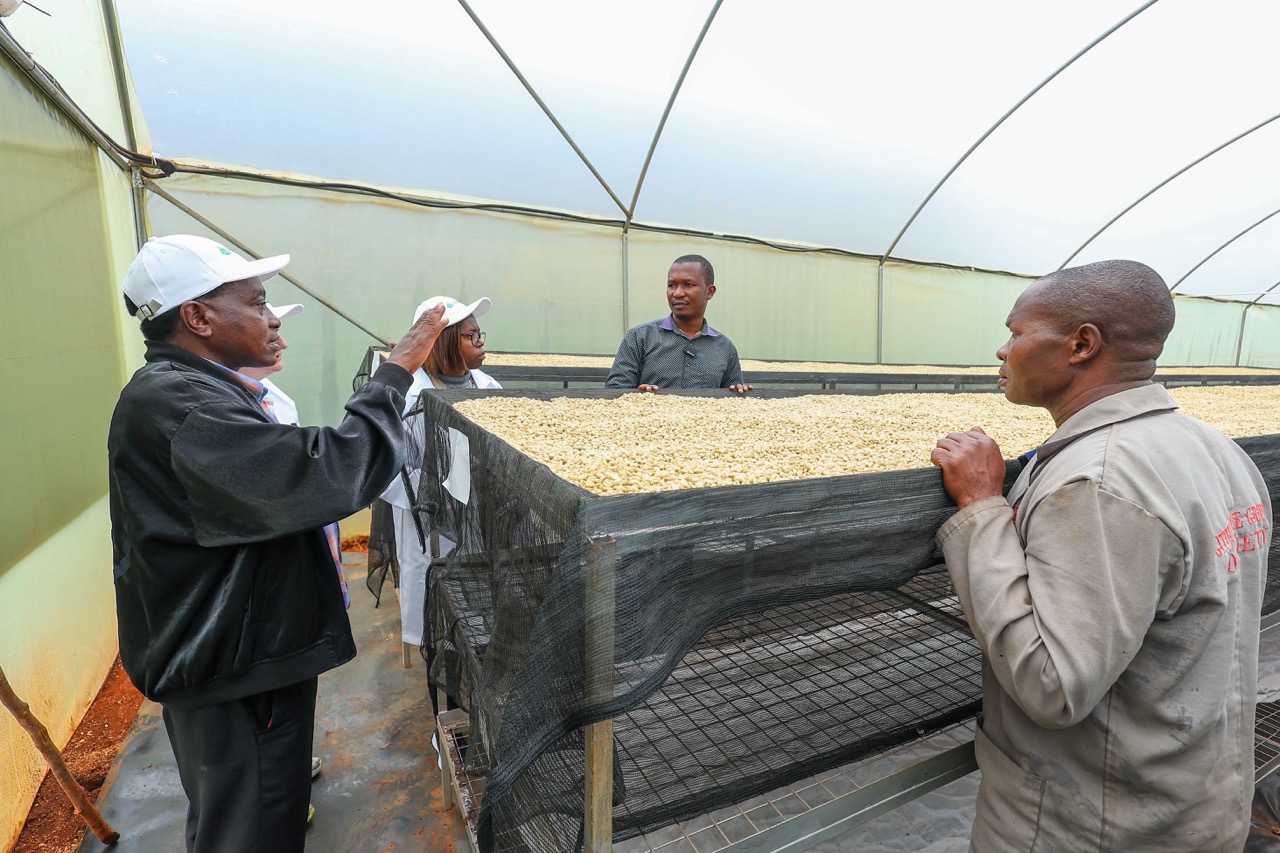
How Aggregation Hubs and Cooperatives Turn Crop Drying Into a Business
One smart solar dryer serving hundreds of farmers: how aggregation hubs work, who should run them, and what cooperatives, counties and funders should look for before investing.
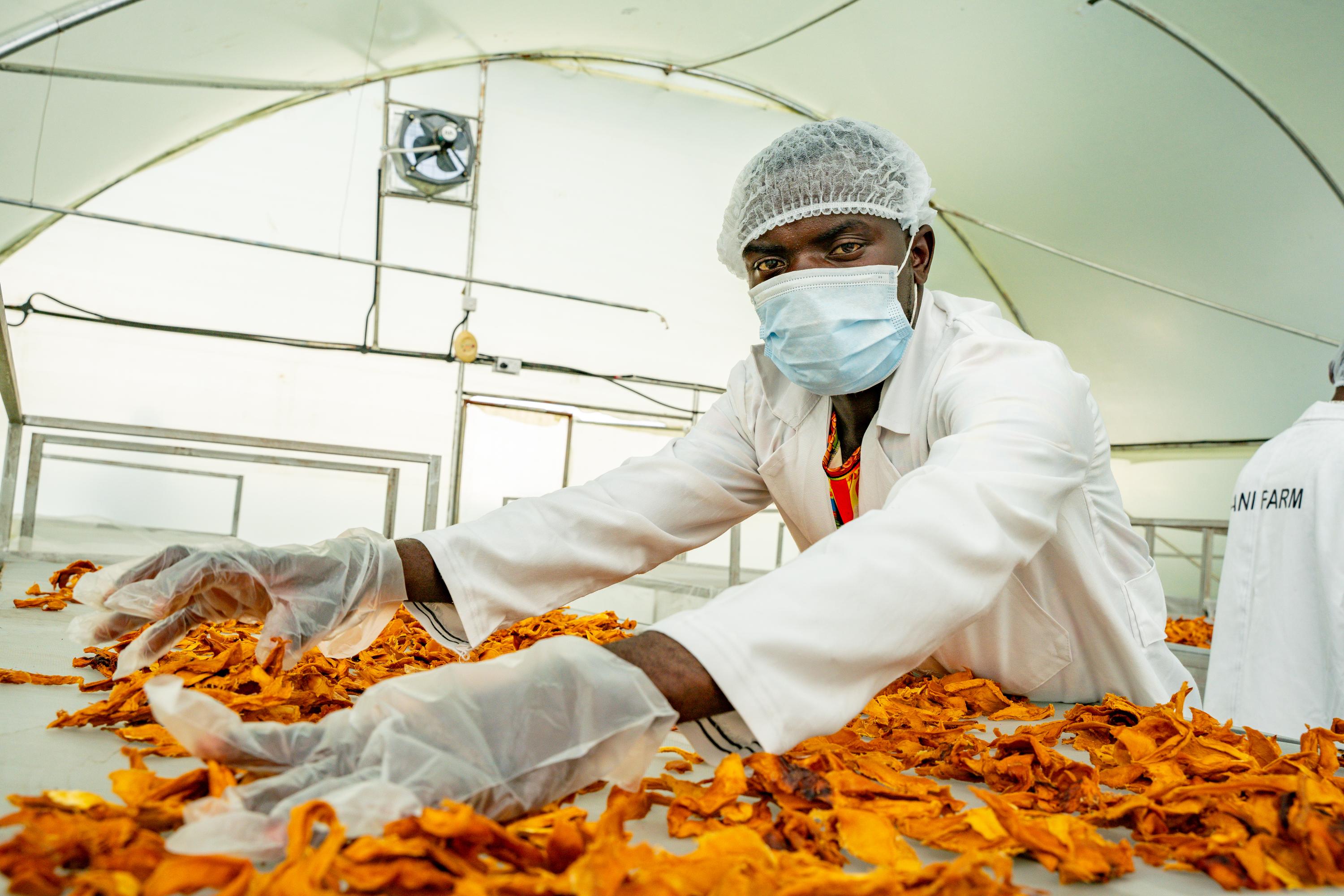
Beyond Maize and Coffee: Drying Cassava, Ginger, Hibiscus and Herbs for Premium Markets
One smart solar dryer can serve many value chains. What it takes to dry cassava, sweet potato, ginger, hibiscus, herbs and vegetables to the standards premium buyers demand.