
Smart Solar Dryer vs Traditional Drying: Which Method Saves More Crop Value?
The Two Approaches to Crop Drying
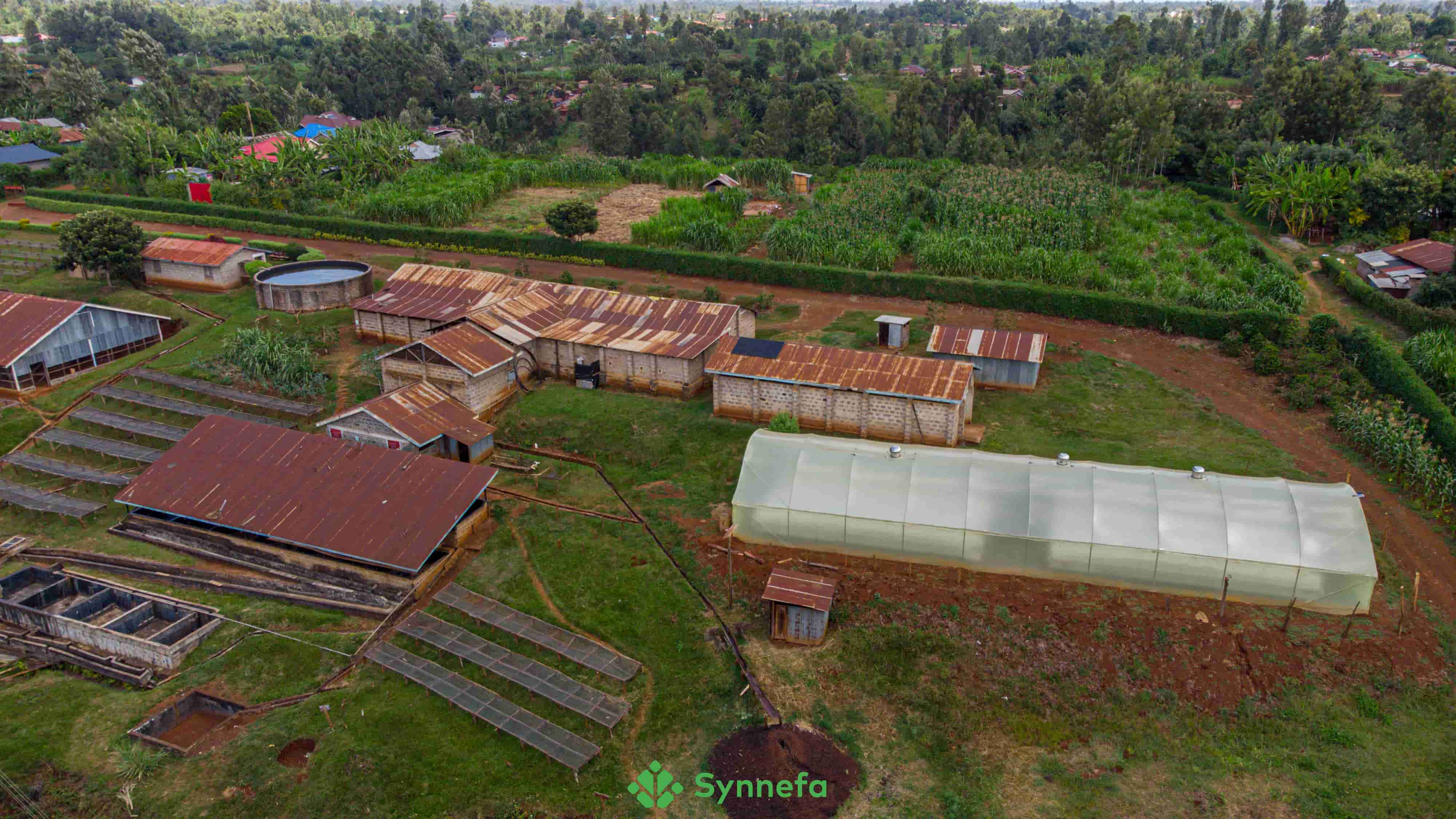
Every farmer in East Africa dries crops. The question is how. Traditional open air drying (spreading crops on tarps, bare ground, rooftops, or raised platforms under the sun) has been the default for generations. It requires no capital investment and no special equipment. But it comes with significant hidden costs that most farmers do not quantify. Smart solar drying is a newer approach that uses enclosed chambers, controlled airflow, and in the most advanced systems like Synnefa's Smart Solar Dryer, IoT sensors for real time monitoring. It requires upfront investment but delivers measurable returns through reduced losses, faster drying, and higher crop quality.
Drying Time
Traditional open air drying typically takes 7 to 14 days for grains like maize and 5 to 10 days for coffee, depending on weather conditions. If it rains during the drying period, the process can take even longer and moisture levels can actually increase, leading to mould and aflatoxin contamination. A smart solar dryer reduces drying time to 2 to 3 days for the same crops. This is because the enclosed chamber traps solar heat more efficiently than open air, fans maintain consistent airflow, and the crop is protected from rain and humidity spikes. For a cooperative processing multiple batches per season, this means 3 to 4 times more throughput from the same drying infrastructure.
Crop Quality and Value
This is where the difference is most dramatic. Traditional drying exposes crops to UV radiation (which degrades colour in herbs and spices), dust, insects, birds, and animal contamination. Coffee dried on open ground absorbs earth flavours that reduce cup scores. Herbs lose their vibrant green colour and essential oil content. Grains develop hot spots of higher moisture that become breeding grounds for aflatoxin producing fungi.
Solar dried crops consistently achieve higher quality grades. For coffee, proper solar drying can improve cup scores by 2 to 5 points, which at specialty grade levels translates to USD 0.50 to USD 2.00 per kilogramme in additional revenue. For herbs exported to European markets, solar dried product that retains its colour and aroma commands 20 to 40% higher prices than traditionally dried alternatives. For maize, achieving uniform 13% moisture content (the Kenya Bureau of Standards requirement) reduces aflatoxin risk and qualifies the grain for formal market channels rather than distressed local sales.
Post Harvest Losses
Traditional drying loses 15 to 30% of the crop to contamination, over drying, under drying, animal damage, and weather events. These losses are often invisible because farmers do not weigh their crop before and after drying, so they do not realise how much is lost. Solar drying reduces these losses to under 5%. The enclosed environment eliminates animal and insect contamination, consistent temperature prevents over drying, and rain protection ensures the process is never interrupted. For a cooperative drying 50 tonnes of maize per year, reducing losses from 25% to 5% saves 10 tonnes of grain worth approximately KES 444,000 at current market prices. For a detailed breakdown of these costs, see the real cost of post harvest loss in Kenya.
Labour and Convenience
Traditional drying is surprisingly labour intensive. Someone must spread the crop every morning, turn it regularly for even drying, watch for rain clouds, rush to cover or collect the crop if rain threatens, and bring everything inside at night to prevent moisture reabsorption. This cycle repeats daily for 7 to 14 days. A solar dryer dramatically reduces this labour. The crop is loaded onto trays, placed inside the dryer, and the system does the work. With Synnefa's smart solar dryers, FarmShield IoT sensors send alerts to your phone if temperature or humidity moves outside the target range, so you do not need to be physically present to monitor the process. This frees up labour for other farm activities during the critical harvest and post harvest period.
Cost Comparison
Traditional drying has near zero capital cost but high hidden costs in crop losses, quality degradation, and labour. A basic solar dryer costs between KES 20,000 and KES 500,000 depending on type and capacity. Synnefa's smart solar dryers, which include IoT monitoring, are available through rent to own financing that spreads the cost over monthly payments, eliminating the need for large upfront capital. Check our pricing page for current options, and see our solar dryer financing guide for a full comparison of the payment routes: outright purchase, rent-to-own, bank asset financing and drying-as-a-service.
When you calculate the total cost of each method including crop losses, quality discounts, and labour, solar drying is more economical from the second season onwards for most cooperatives and agribusinesses. The exact payback period depends on the crop, volumes, and market prices, but most operations recover their investment within 1 to 3 seasons.
Which Method Should You Choose?
For subsistence farmers drying small quantities for household consumption, traditional drying may still be sufficient. But for any operation selling into commercial markets, working with export buyers, or processing crops for cooperatives and aggregators, a solar dryer is the better investment. The quality improvement alone often justifies the cost, and the loss reduction makes the financial case even stronger. Read our complete guide to solar dryers in Kenya for a full breakdown of types, costs, and how to choose, then use our practical sizing guide to match dryer capacity to your harvest volumes.
If you are considering a solar dryer for your operation, Synnefa's team can assess your specific crops, volumes, and market requirements to recommend the right system and financing structure. Request a consultation to get started.
Similar posts
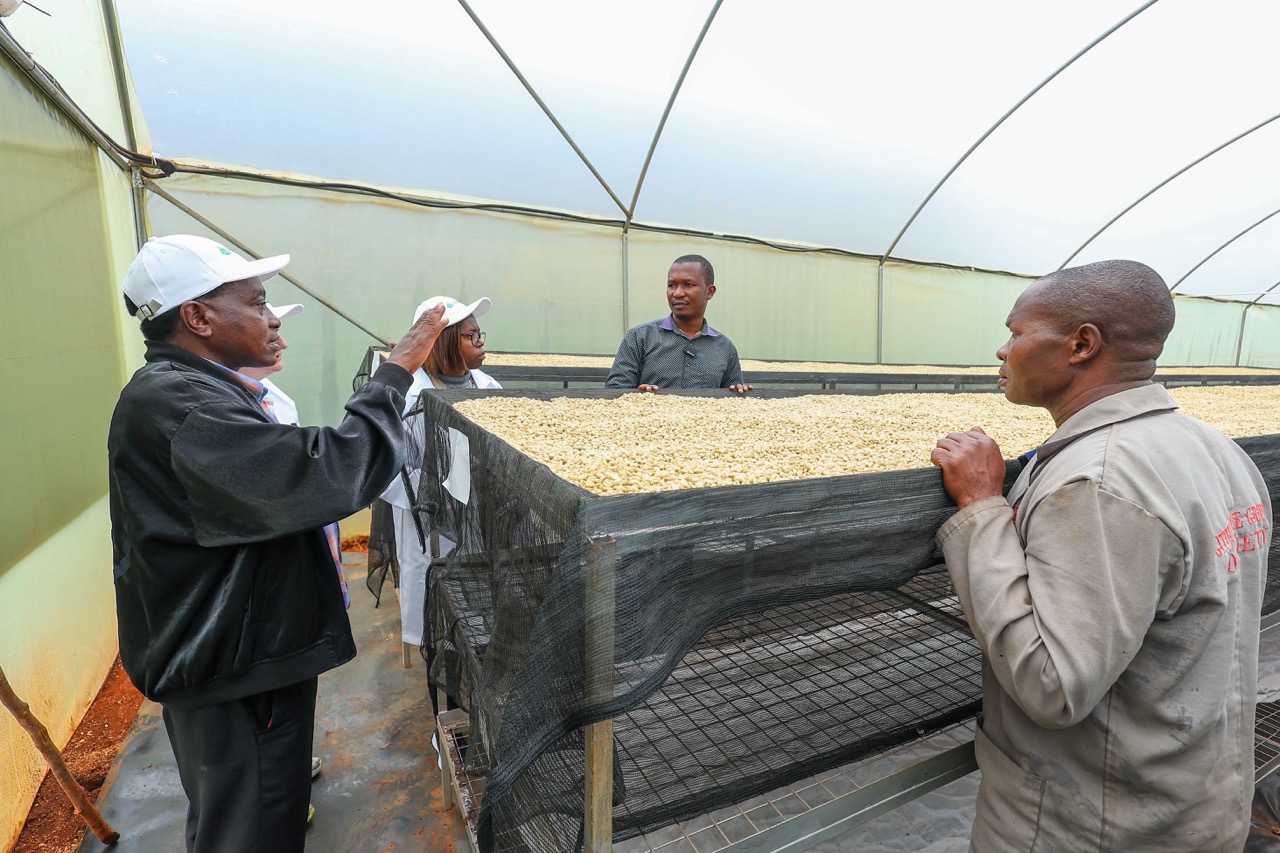
How Aggregation Hubs and Cooperatives Turn Crop Drying Into a Business
One smart solar dryer serving hundreds of farmers: how aggregation hubs work, who should run them, and what cooperatives, counties and funders should look for before investing.
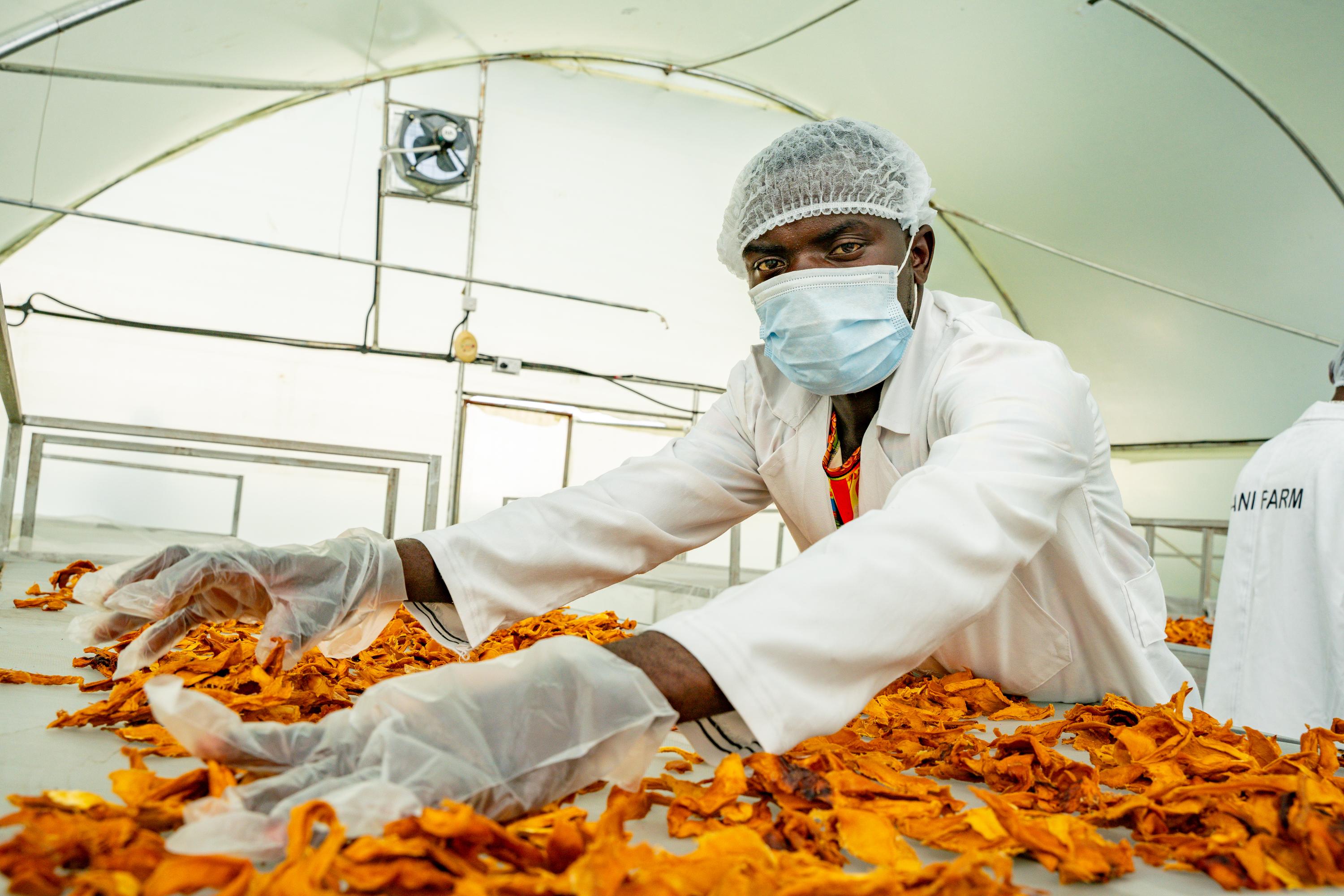
Beyond Maize and Coffee: Drying Cassava, Ginger, Hibiscus and Herbs for Premium Markets
One smart solar dryer can serve many value chains. What it takes to dry cassava, sweet potato, ginger, hibiscus, herbs and vegetables to the standards premium buyers demand.