
Beyond Maize and Coffee: Drying Cassava, Ginger, Hibiscus and Herbs for Premium Markets
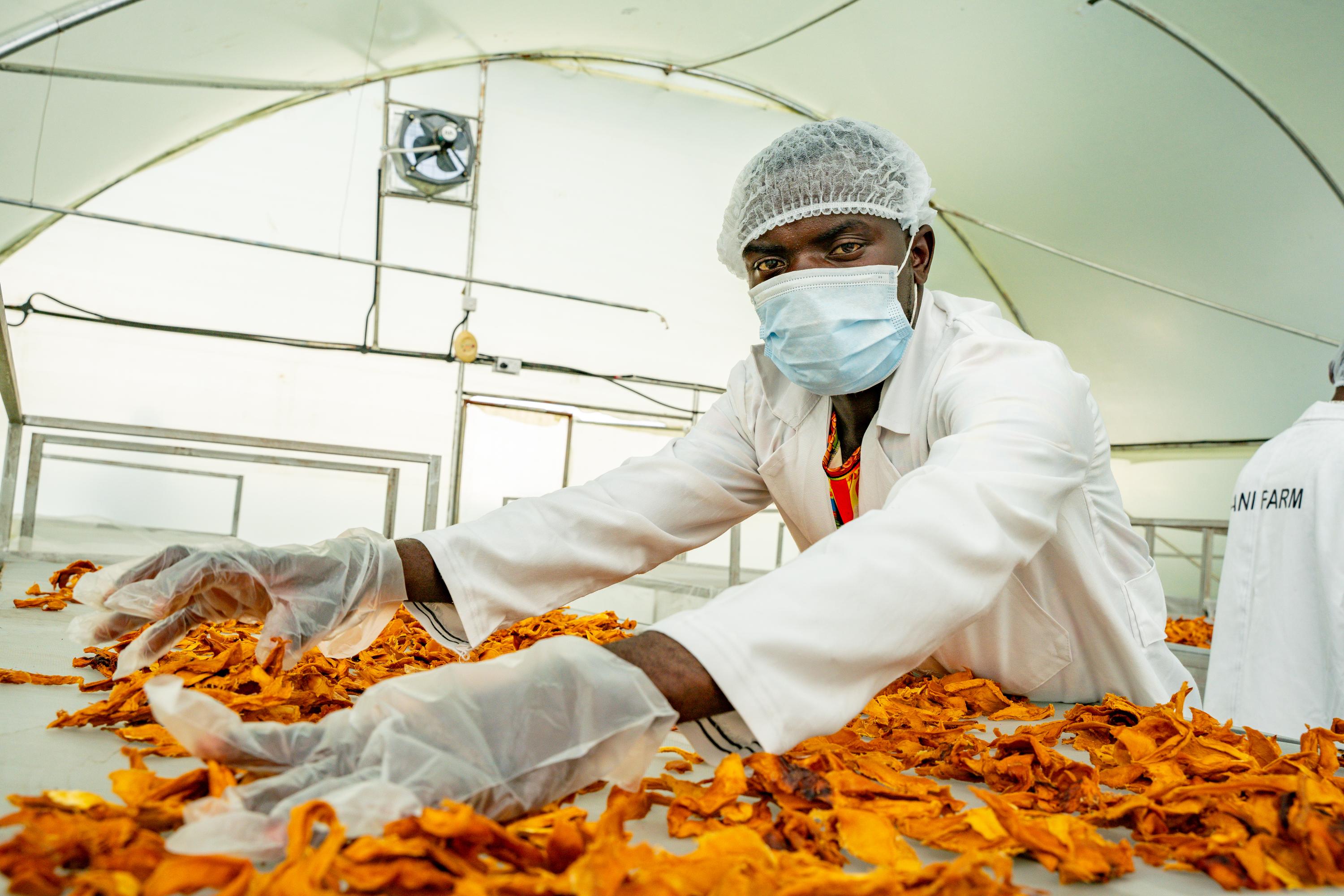
When people picture crop drying in Kenya, they usually picture maize in the sun or coffee on raised beds. But some of the most interesting drying economics right now are in crops that rarely make the headlines: cassava and sweet potato heading into flour markets, ginger and hibiscus destined for beverage and wellness buyers, and herbs and vegetables feeding a growing dried-foods trade.
Over the past few months we have fielded inquiries and run pilots across exactly this spread of value chains — root crops in western Kenya, aromatic crops for regional buyers, indigenous vegetables and cereals with community food networks. Here is what drying these crops well actually requires, and why one smart dryer can serve several of them.
What changes from crop to crop
All drying is the same physics — moving moisture out of plant tissue with heat and airflow — but the tolerances differ sharply. Each crop has a target moisture range: miss it on the high side and you invite mould and rot in storage; overshoot on the low side and you lose weight, colour and aroma that buyers pay for. Airflow and temperature control matter more for delicate crops, and hygiene matters more for anything destined for direct human consumption. This is precisely where controlled-environment solar drying separates itself from open-air methods: fans, vents and sensors hold conditions inside a window rather than leaving them to the weather. If you are new to the technology, start with our complete guide to solar dryers in Kenya.
Roots and tubers: cassava and sweet potato
Cassava is a race against time. Once harvested, roots begin deteriorating within days, and wet chips that dry too slowly discolour and spoil. Fast, consistent drying converts a perishable root into shelf-stable chips and high-quality flour — a product with real demand from millers and food processors. Sweet potato follows a similar logic, with the added prize of colour retention in orange-fleshed varieties, where the beta-carotene that gives the crop its nutritional value also gives it its market appeal.
For farmer groups in root-crop regions, the constraint has rarely been growing the crop; it has been organising drying capacity close to the farm before deterioration sets in. That is why root-and-tuber drying works best paired with aggregation — collect, chip and dry within a tight window.
Aromatic crops: ginger and hibiscus
Ginger and hibiscus are high-value, export-oriented crops where quality is judged on colour, aroma and cleanliness. Two practical lessons come up repeatedly with customers drying them. First, scent transfer is real: dry ginger in a chamber and follow it with hibiscus on uncleaned surfaces, and the hibiscus will carry the ginger's signature. Drying infrastructure for aromatic crops needs smooth, easy-to-clean surfaces and a cleaning routine between batches. Second, gentle control beats speed: hibiscus calyces that dry too hot lose the deep red colour that beverage buyers select for, so the ability to hold moderate temperatures with steady airflow is worth more than raw heat.
Herbs, vegetables and fruit
Dried herbs, vegetables and fruit are among the most forgiving entry points into value addition, and inquiries about them — basil, indigenous vegetables, mango, banana — arrive weekly. The common requirements are thin-layer spreading, food-safe handling, and protection from dust, insects and rain, which open-air drying simply cannot guarantee. An enclosed solar dryer solves the contamination problem structurally: produce dries inside a sealed, ventilated tunnel rather than under the open sky.
Meeting buyer standards
Whichever crop you dry, the buyer conversation eventually reaches the same three demands. Moisture specification: serious buyers state a moisture percentage and test for it; drying to a number requires measuring, not guessing. Hygiene: processors and exporters increasingly ask how produce was dried and whether it was protected from contamination throughout. Consistency and traceability: a premium price attaches to a supplier who can deliver the same quality every time and show batch records to prove it. Smart dryers log temperature, humidity and batch history automatically, which turns "trust me" into "here is the data" — the difference is explained in our post on why post-harvest management is becoming a data problem. For cereals, proper drying is also the frontline defence against aflatoxin, which we covered in depth in Aflatoxin in Kenyan Maize.
One dryer, many value chains
The practical takeaway: you do not need a separate dryer per crop. You need one well-specified dryer, configured for your crop mix, with the racks, surfaces and cleaning protocols to switch between value chains safely. That flexibility is what lets a cooperative dry coffee in the main season, cassava and vegetables between seasons, and keep the asset earning year-round — which, in turn, is what makes the financing work.
Frequently asked questions
Can I dry ginger and hibiscus in the same dryer?
Yes, provided the drying surfaces are easy to clean and you follow a cleaning routine between batches to prevent scent transfer. Mention aromatic crops during your site survey so the internal configuration is specified accordingly.
What moisture level should I dry to?
It depends on the crop and your buyer's specification — there is no universal number. The important thing is drying to a measured target rather than judging by eye. Smart dryers monitor conditions continuously so you can pull batches at the right moment.
Is dried cassava really marketable?
Demand for quality cassava chips and flour from millers and food processors is well established in East and West Africa. The constraint is usually consistent, hygienic drying capacity near the farm — which is exactly the problem a well-placed dryer solves.
How do I get started with a multi-crop setup?
Book a consultation and tell us your crop calendar. We will configure racks, surfaces and capacity around your actual mix, not a generic template.
Similar posts
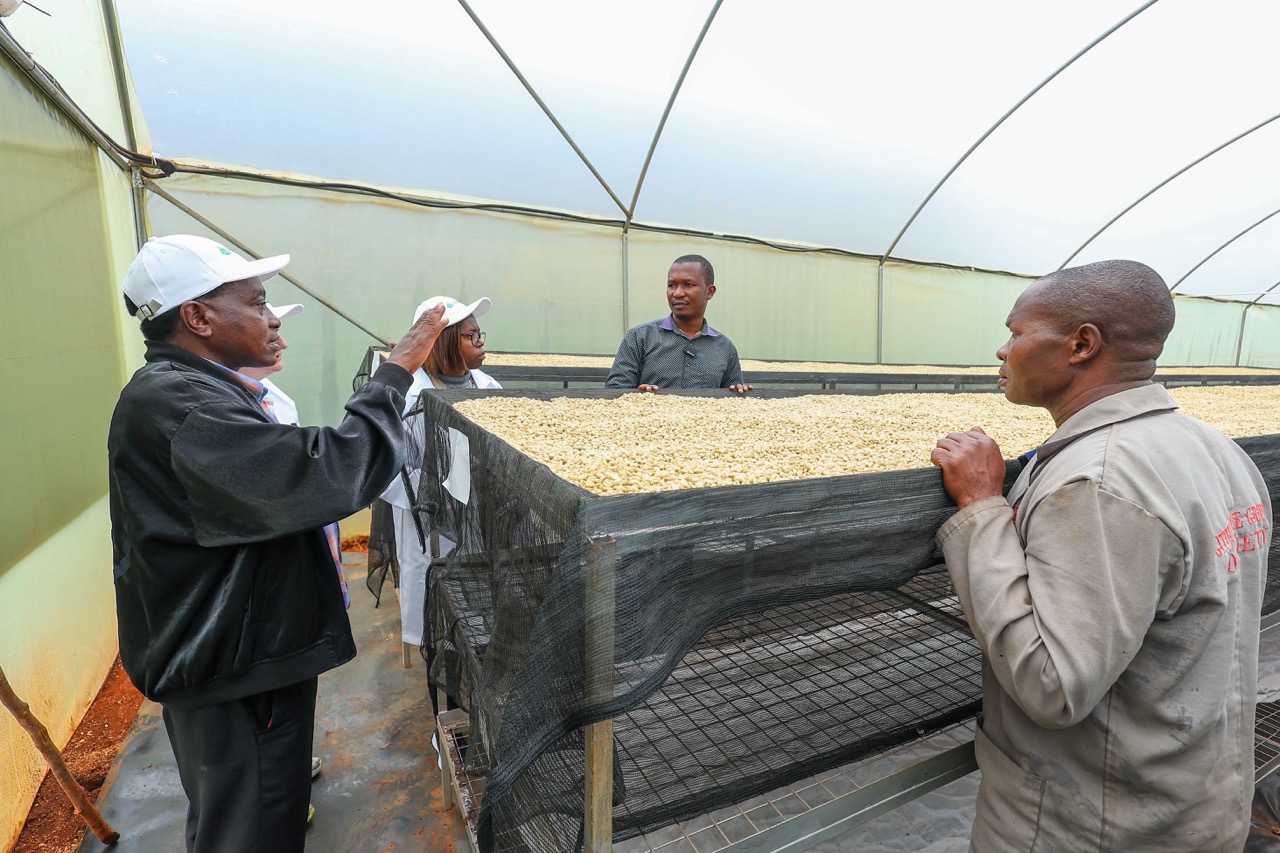
How Aggregation Hubs and Cooperatives Turn Crop Drying Into a Business
One smart solar dryer serving hundreds of farmers: how aggregation hubs work, who should run them, and what cooperatives, counties and funders should look for before investing.
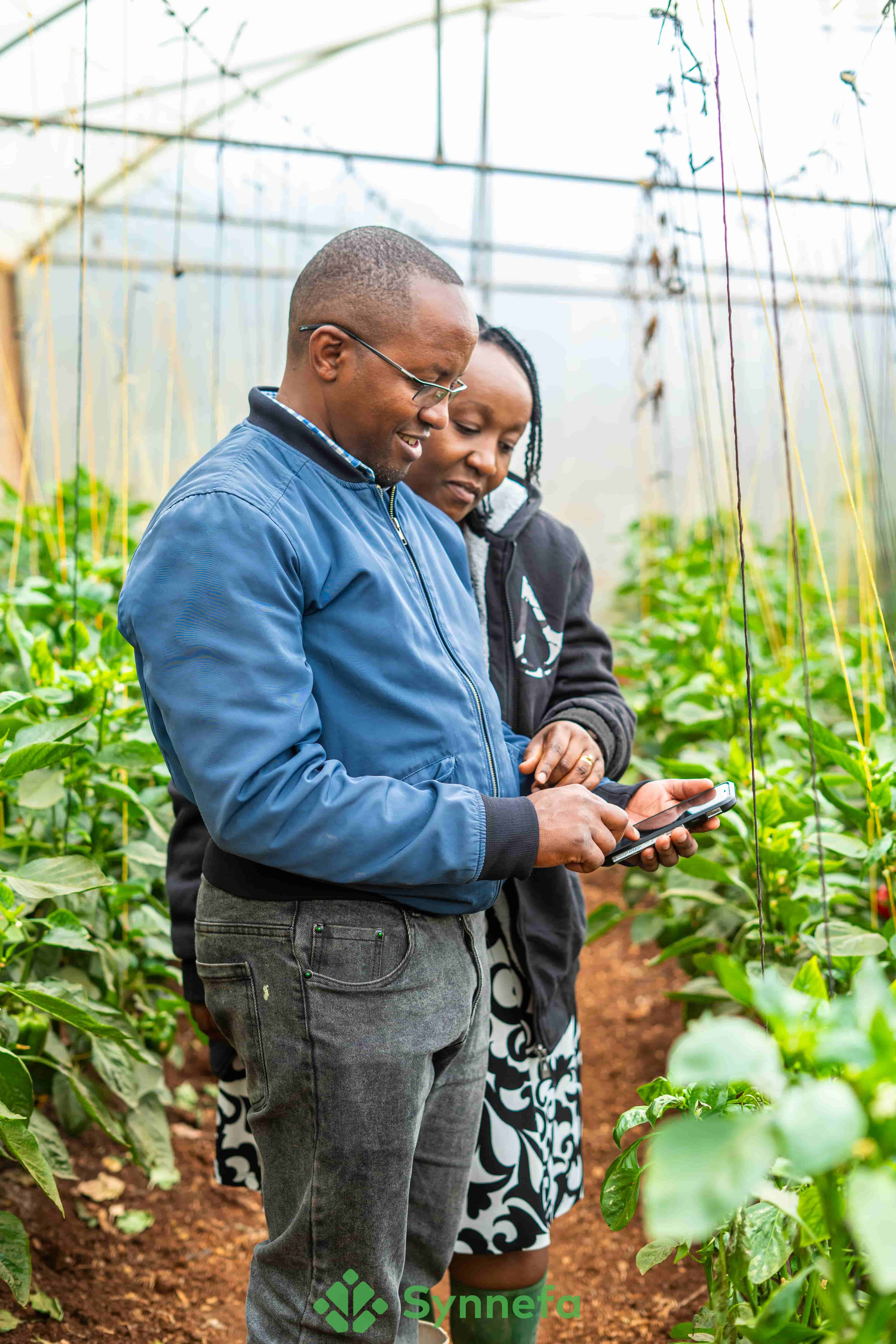
What Size Solar Dryer Do You Need? A Practical Sizing Guide for Farms and Agribusinesses
From 300 kg walk-in units to industrial dryers moving 8-10 tonnes a week: how to size a smart solar dryer from your harvest volumes, and the questions serious buyers ask before signing a quotation.